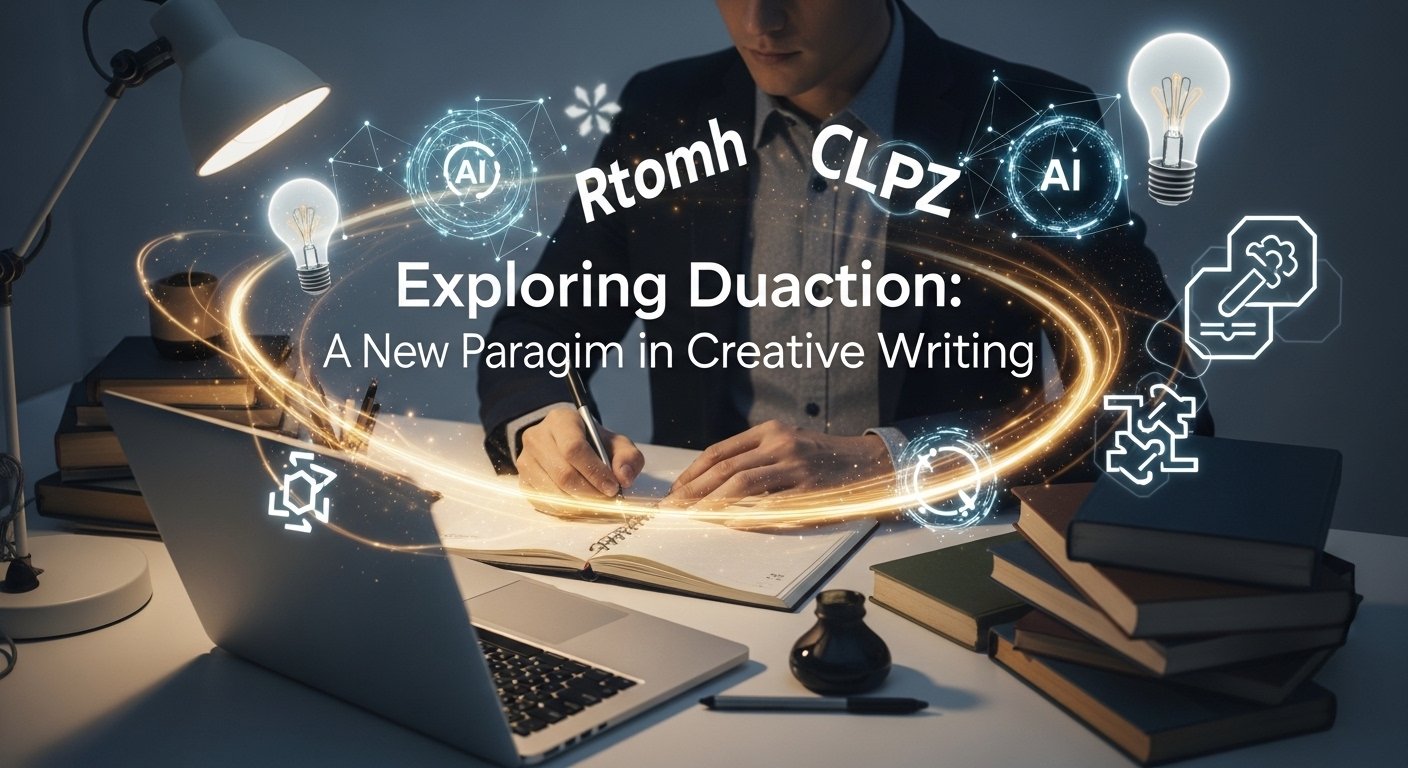
Duaction (dual-creation) is a modern approach to creative writing that combines individual creativity with collaboration and external inspiration. Unlike traditional writing, which is often solitary, duaction encourages blending ideas, tools, and perspectives to create richer and more dynamic content.
This method enhances imagination, promotes experimentation, and allows writers to explore new formats and storytelling techniques. It also supports collaboration with other creators or even technology, leading to more engaging and diverse narratives.
Overall, duaction represents a new creative paradigm that is shaping the future of writing through innovation, flexibility, and shared creativity.
As we dive into this transformative idea, be prepared to challenge your understanding of what it means to create. Duaction isn’t just a buzzword; it’s an exciting paradigm shift that could redefine the landscape of artistic expression forever. Whether you’re a seasoned writer or just starting out, this exploration will spark your curiosity and encourage you to embrace new possibilities in your craft.
Understanding the Traditional Model of Creative Writing
Creative writing has long followed a traditional model. This framework emphasizes the solitary writer’s journey. The author crafts stories, shapes characters, and builds worlds alone.
In this approach, inspiration often strikes in isolation. Writers pour their thoughts onto paper, striving for originality. Yet, this model can feel restrictive. It promotes individualism over collaboration.
Many writers adhere to established structures like plot arcs and character development guidelines. These conventions provide a foundation but can stifle innovation at times.
The pressure to conform to these norms creates anxiety around creativity itself. Writers may doubt their unique voice or vision while chasing elusive perfection.
While the traditional model has its merits, it also fosters an environment of competition rather than cooperation and exploration within creative communities.
The Limitations and Challenges of the Traditional Model
The traditional model of creative writing often emphasizes a solitary approach. Writers are expected to craft their narratives in isolation, relying heavily on personal experience and individual inspiration. This can lead to creative blocks.
Additionally, the pressure to adhere to established structures and genres stifles innovation. Many writers feel confined by the rules that define what “good” writing is supposed to look like.
Collaboration is rarely at the forefront, limiting diverse perspectives from enriching a single narrative. The absence of dialogue between creators can result in echo chambers where ideas stagnate.
Moreover, feedback loops tend to be one-sided; writers receive input but often miss out on collaborative growth opportunities. This system can inhibit risk-taking and experimentation.
As a result, many talented voices may go unheard or unrecognized due to rigid expectations imposed by this conventional framework.
Introducing the Dual-Creation Concept: A Shift in Perspective
The dual-creation concept invites writers to explore a collaborative approach to storytelling. It emphasizes the synergy between individual creativity and external inspiration, reshaping how narratives are built.
Rather than seeing writing as a solitary act, this paradigm encourages merging ideas with influences from diverse sources. Music, art, or even conversation can spark fresh insights. This fusion leads to richer stories that resonate on multiple levels.
Embracing dual-creation means welcoming experimentation. Writers can play with different mediums and styles without fear of rigid boundaries. Each piece becomes an opportunity for dialogue between creator and muse.
This shift in perspective opens doors to endless possibilities. Instead of feeling confined by traditional norms, authors can tap into collective imagination—where two minds create something entirely new together. The landscape of creative writing is poised for transformation through this innovative lens.
How Dual-Creation Enhances Creativity and Imagination
Dual-creation opens a door to limitless possibilities in creative writing. It invites collaboration between the writer and external sources of inspiration, whether those are other artists, nature, or even technology.
This synergy ignites fresh ideas that might remain dormant within a traditional framework. When writers engage with diverse influences, their imaginations expand beyond conventional boundaries.
Furthermore, the process encourages experimentation. Writers feel empowered to explore different styles and formats without fear of judgment. This freedom fosters innovation, pushing them toward uncharted territories in storytelling.
Moreover, dual-creation nurtures adaptability. As writers navigate various stimuli and perspectives, they learn to pivot their narratives dynamically. Such fluidity not only enhances creativity but also enriches the reader’s experience by offering multifaceted viewpoints.
Engaging with multiple elements through dual-creation cultivates an environment where originality thrives and new stories come alive.
Practical Applications of Dual-Creation in Writing
Dual-creation opens exciting avenues for writers. It encourages collaboration, allowing authors to work alongside artists, musicians, or even AI tools. This interaction fosters a rich blend of ideas that can lead to more dynamic storytelling.
Think about co-authoring a novel with an illustrator. The visual elements can enhance the narrative in unexpected ways. Readers engage not just with words but also with images that evoke emotions and deepen understanding.
Writers can also apply dual-creation by merging different genres or formats. A poetry collection intertwined with short stories creates unique experiences for readers.
Moreover, workshops focusing on dual-creation techniques help participants explore their creativity through shared prompts and collective brainstorming sessions. These collaborations often ignite fresh perspectives that one might overlook when writing solo.
In essence, integrating dual-creation into your writing practice enriches both the process and the final product.
The Impact of Dual-Creation on the Future of Creative Writing
Dual-creation is reshaping how we perceive the writing process. By embracing collaboration between human creativity and technological tools, writers can explore new dimensions of storytelling.
As AI becomes more integrated into creative workflows, it opens doors to diverse voices and narratives. Writers are no longer confined to traditional methods; they can experiment with interactive formats that engage readers in unprecedented ways.
This paradigm shift encourages a blending of genres, styles, and mediums. The lines between author and audience blur as co-creation flourishes. Readers may become active participants in crafting stories alongside writers.
Moreover, dual-creation fosters inclusivity within the literary community. It allows underrepresented authors to collaborate with technologies that amplify their perspectives—ensuring richer narratives emerge from varied experiences.
The future of creative writing lies in this synergy between human insight and artificial intelligence—promising an exciting evolution for storytellers everywhere.
Conclusion
The advent of the dual-creation concept marks a significant shift in the realm of creative writing. This innovative approach not only challenges traditional norms but also opens up new avenues for writers to explore their craft.
As we embrace this paradigm, it becomes clear that dual-action enhances creativity and fosters collaboration between writers and their audience. It encourages a dynamic exchange of ideas, allowing storytelling to evolve organically.
Practical applications abound as authors experiment with interactive narratives or co-create works with readers. The possibilities are endless.
This shift holds promise for the future of creative writing by inspiring diverse voices and pushing boundaries. Writers who harness the power of duaction will likely lead us into an exciting era filled with rich stories that resonate on multiple levels. Embracing this concept could redefine how we connect through literature and art alike, enriching our collective experience as both creators and consumers in an ever-changing landscape.