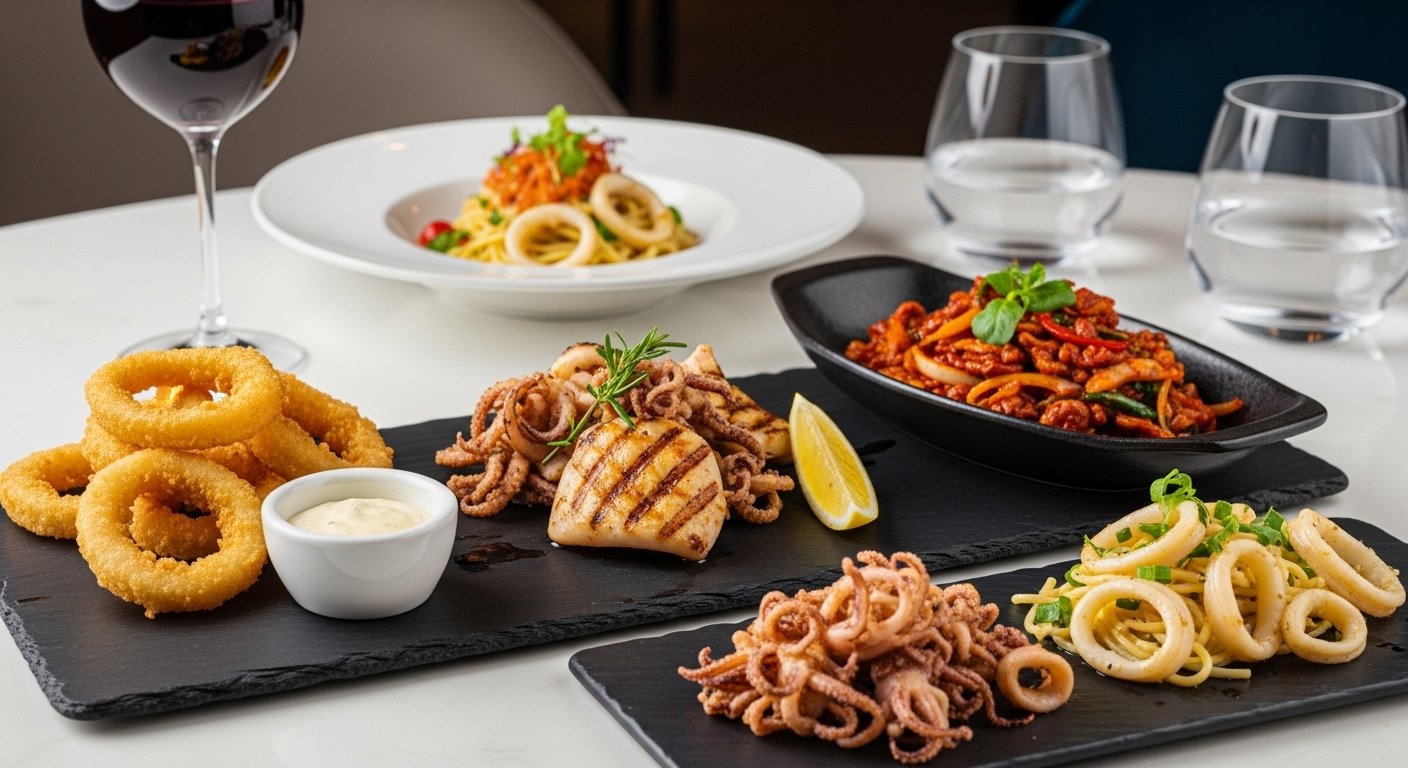
Calamariere is a globally loved squid-based dish with roots in ancient Mediterranean cuisine, especially Italy and Greece. Over time, it has evolved from a simple coastal food into a versatile gourmet ingredient used in frying, grilling, pasta dishes, sushi, and fusion recipes worldwide. Different regions have adapted it uniquely—Mediterranean styles focus on olive oil and herbs, Asian versions add tempura or spicy sauces, and Latin American cuisines bring citrus and chili flavors.
In modern gastronomy, calamariere continues to evolve with innovative cooking techniques, sustainable seafood sourcing, and even plant-based alternatives. It is also valued for its nutritional benefits, being high in protein, low in calories, and rich in essential nutrients like vitamin B12 and omega-3s. Today, calamariere represents both tradition and innovation in global seafood cuisine.
Calamariere is more than just a dish; it’s a culinary journey that captivates the senses and tantalizes the taste buds. Whether you’re biting into crispy, golden-fried rings or savoring tender pieces drizzled in rich sauces, calamariere represents comfort food with an adventurous twist. Its seafood allure has garnered fans worldwide, transforming from humble beginnings to a staple on menus across continents.
But what exactly is calamariere? Where did it come from, and how has it evolved over time? This blog post will unravel the fascinating history of this beloved delicacy while exploring its regional variations and innovations. Join us as we dive deep into the world of calamariere—its origins, popular recipes, health benefits, and future trends in global gastronomy. Get ready to discover why this scrumptious treat continues to reign supreme in kitchens around the globe!
The Origins of Calamariere: A Brief History
Calamariere traces its roots back to ancient Mediterranean cultures. The word itself connects to “calamari,” the Italian term for squid, a staple in coastal diets.
Historically, squid has been harvested from the sea since Roman times. It was prized for its delicate flavor and versatility. Ancient Greeks also enjoyed it, often preparing it with herbs and olive oil.
As trade routes expanded during the Middle Ages, calamariere began influencing local cuisines across Europe. Each region adapted recipes based on available ingredients and cooking methods.
In Italy, frying became popular while Spanish chefs introduced it into tapas culture. This blending of traditions helped shape what we know today as calamariere—a cherished dish worldwide that continues to evolve alongside culinary trends.
Calamariere Around the World: Regional Variations and Influence on Cuisine
Calamariere has found its way into various cuisines, each region adding its unique twist. In Mediterranean countries like Italy and Greece, it’s often grilled or fried with a drizzle of olive oil and fresh herbs. The dish showcases the local seafood’s freshness.
In Asian cuisine, particularly in Japan, calamari is frequently featured in sushi rolls or tempura-style preparations. Here, it takes on delicate flavors that complement rice and seaweed.
Latin America introduces spicy elements to calamariere dishes through marinades with lime juice and chili peppers. This combination enhances the natural flavor while offering a vibrant culinary experience.
Even within regions, variations exist. Coastal towns may favor simple recipes focusing on freshness while urban settings experiment with sauces and unusual pairings. Each adaptation tells a story about cultural influences and local ingredients woven together through this beloved delicacy.
Evolution of Calamariere in Modern Gastronomy
The evolution of calamariere in modern gastronomy reflects a growing appreciation for seafood. Chefs are pushing boundaries, exploring innovative techniques and flavor profiles.
Once primarily fried and served as an appetizer, calamariere now graces gourmet menus in unexpected ways. From grilled versions drizzled with citrus-infused oils to intricate salads featuring fresh herbs and spices, the dish has transformed beautifully.
Global influences play a significant role too. Asian-inspired recipes often incorporate sesame oil or chili sauces, offering exciting twists that capture diners’ palates.
Sustainability also shapes its preparation methods today. Many chefs prioritize sourcing responsibly caught squid, aligning culinary practices with environmental consciousness.
This shift towards creativity ensures that calamariere continues to captivate food lovers everywhere while maintaining its roots in tradition.
Popular Calamariere Dishes and Recipes
Calamariere takes many forms across various cuisines. One popular dish is the classic fried calamari, where tender squid rings are coated in a light batter and deep-fried to golden perfection. Served with a side of marinara sauce, it’s a favorite appetizer.
In Italy, you might find calamariere as part of seafood pasta dishes. The squids are often sautéed with garlic, olive oil, and fresh herbs for an aromatic experience that brightens any meal.
Asian cuisine offers unique interpretations too. Thai-style calamariere often features spicy chili sauces and tangy lime juice for an exciting flavor profile that tantalizes the taste buds.
For those seeking healthier options, grilled or baked calamariere garnished with lemon and parsley delivers robust flavors without excess calories. Each preparation highlights its versatility while appealing to diverse palates around the globe.
Health Benefits and Nutritional Value of Calamariere
Calamariere is not just a tantalizing dish; it also boasts impressive health benefits. Rich in protein, it provides essential amino acids that your body needs to function optimally. This makes it an excellent choice for those seeking to build or maintain muscle mass.
Low in calories and saturated fat, calamariere can fit seamlessly into various diets. It offers healthy omega-3 fatty acids, which are known for their heart-health benefits and anti-inflammatory properties.
Moreover, calamariere contains vital nutrients like vitamin B12 and selenium. Vitamin B12 supports nerve function and energy production while selenium acts as a powerful antioxidant.
If you’re watching your weight or simply aiming for balanced nutrition, calamariere serves as a flavorful option that doesn’t compromise on taste while delivering substantial nutritional value.
Future Trends and Innovations in Calamariere Preparation
The future of calamariere preparation holds exciting possibilities. As culinary technology advances, chefs are experimenting with innovative cooking methods. Techniques like sous-vide and molecular gastronomy are gaining traction.
Plant-based alternatives to traditional calamariere are also emerging. Chefs are exploring ingredients such as jackfruit or konjac to create sustainable, vegan versions that capture the essence of seafood without harming marine life.
Moreover, global fusion cuisine is redefining how we enjoy calamariere. Traditional recipes blend with spices and techniques from different cultures, resulting in unique flavor profiles that excite the palate.
Sustainability remains a priority too. More restaurants focus on sourcing ethically harvested squid, ensuring freshness while minimizing environmental impact.
With these trends shaping its future, calamariere will continue to evolve, captivating food lovers around the world in new and delightful ways.
FAQs
What is calamariere?
Calamariere refers to dishes featuring squid, typically prepared by frying or grilling. It’s a beloved dish in many cultures, showcasing the versatility of seafood.
Is calamariere healthy?
Yes! Calamariere can be nutritious. Squid is low in calories and high in protein. It’s also rich in vitamins and minerals like B12, selenium, and phosphorous.
How do you cook calamariere at home?
Cooking calamariere involves simple techniques. You can bread it for frying or marinate it before grilling for added flavor. Keep cooking time short to maintain tenderness.
Where did calamari originate?
The roots of calamariere trace back to Mediterranean cuisine. Its popularity has since spread globally, with unique variations emerging across different regions.
Can I substitute other seafood for squid?
Absolutely! While squid is traditional, you may use shrimp or cuttlefish as alternatives if fresh squid isn’t available.
Conclusion
Calamariere has carved a distinctive niche in global gastronomy. Its rich history and diverse regional variations reflect the cultural tapestry of culinary practices around the world. From humble beginnings to becoming a celebrated dish, calamariere showcases adaptability and innovation.
As we explore modern gastronomy, it’s clear that calamariere continues to evolve, embracing new techniques and flavors. This beloved dish not only tantalizes taste buds but also offers various health benefits. As chefs experiment with unique recipes and presentation styles, the future looks bright for calamariere lovers everywhere.
Whether you enjoy it fried, grilled or incorporated into gourmet dishes, this versatile food promises excitement on every plate. The journey of calamariere is ongoing; its legacy will undoubtedly inspire future generations of cooks and food enthusiasts alike.