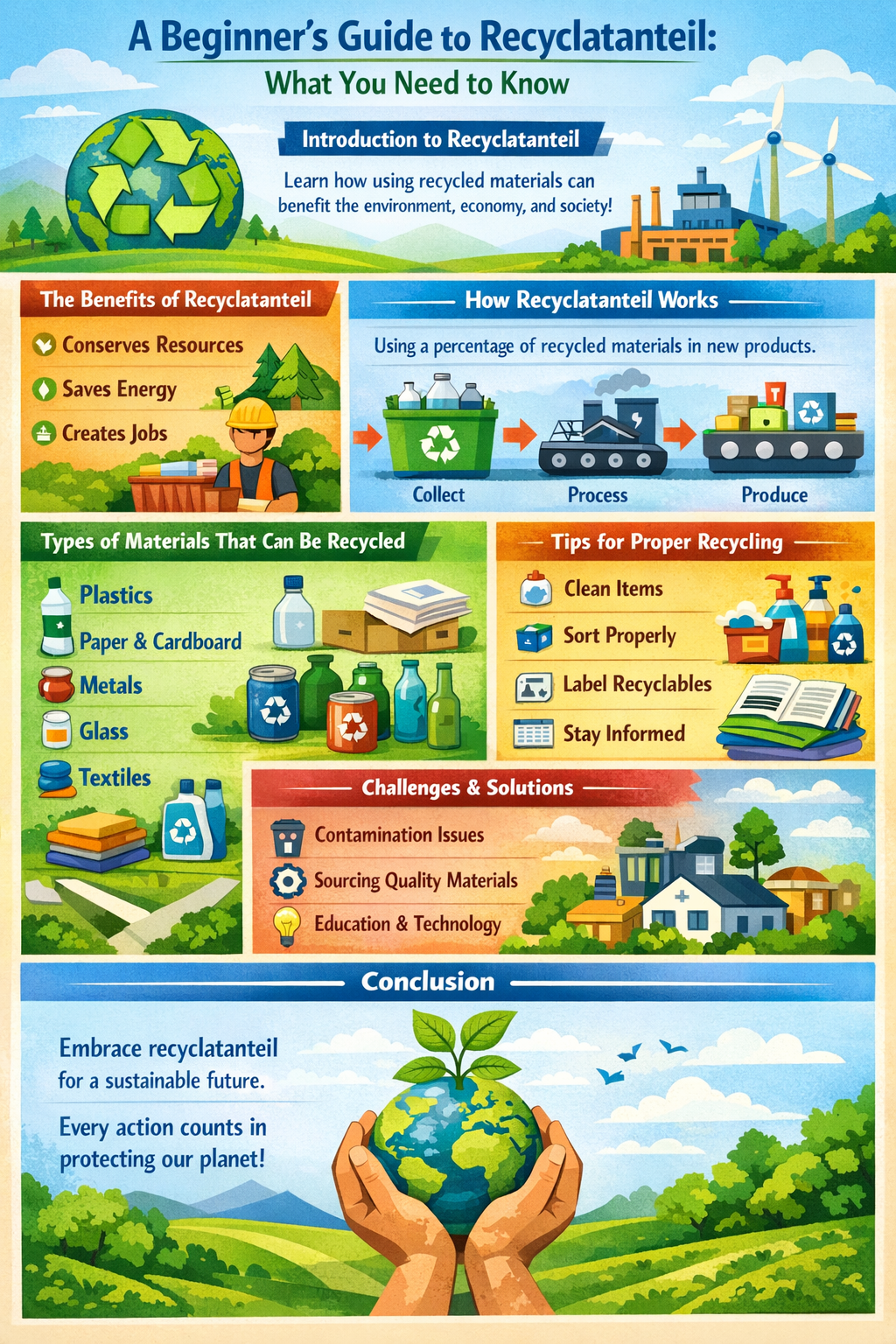
Recyclatanteil is quickly becoming a buzzword in the world of sustainability and environmental consciousness. As more people recognize the importance of reducing waste, understanding recyclatanteil can empower you to make informed choices about how materials are reused and repurposed. But what exactly does this term mean, and why should you care? Whether you’re an eco-warrior or just starting your journey towards greener living, knowing about recyclatanteil can help you contribute positively to our planet’s health. Let’s dive into what makes this concept so vital for both individuals and communities alike!
The Benefits of Recyclatanteil
Recyclatanteil offers numerous advantages that extend beyond just environmental impact. One significant benefit is resource conservation. By using recycled materials, we reduce the demand for virgin resources, leading to less deforestation and mining.
Another advantage is energy savings. Recycling often requires less energy compared to producing new products from raw materials. This reduction in energy use helps decrease greenhouse gas emissions, fostering a healthier planet.
Economically, recyclatanteil can create jobs within the recycling industry. As more companies adopt this practice, the need for skilled labor increases, boosting local economies and encouraging sustainable growth.
Additionally, consumers are becoming increasingly eco-conscious. Brands that embrace recyclatanteil enhance their image and build customer loyalty by demonstrating commitment to sustainability.
Incorporating recyclatanteil into business practices not only benefits the environment but also promotes economic stability and social responsibility.
How Recyclatanteil Works
Recyclatanteil refers to the proportion of recycled materials integrated into new products. Understanding how it works can empower consumers and manufacturers alike.
At its core, recyclatanteil emphasizes sustainability. Manufacturers source post-consumer or post-industrial waste, transforming these materials into raw inputs for new items. This process not only conserves natural resources but also reduces energy consumption compared to producing goods from virgin materials.
Once collected, recyclable items are sorted and processed. They undergo cleaning and refining before being reintroduced into production lines.
By integrating a specific percentage of recyclables in their products, brands can showcase their commitment to environmental responsibility while meeting regulatory standards that promote sustainable practices.
Consumers play a vital role too; by choosing products with high recyclatanteil, they support businesses prioritizing eco-friendly initiatives.
Types of Materials That Can Be Recycled
Recyclatanteil thrives on a diverse range of materials. Understanding what can be recycled is essential for effective waste management.
Plastics are one of the most common recyclables. Not all plastics, however, are created equal. Look for items marked with recycling symbols to ensure they’re accepted in your local program.
Paper products also play a significant role. Newspapers, office paper, and cardboard boxes can often find new life through recycling processes.
Metals like aluminum and steel are highly valuable in recycling circles. Beverage cans and food containers contribute significantly to resource recovery efforts.
Glass bottles and jars are easily recyclable as well. They can be reused multiple times without degrading their quality.
Textiles may come as a surprise but clothing and fabric scraps deserve attention too. Many programs now accept these materials for recycling or repurposing initiatives.
Tips for Properly Recycling with Recyclatanteil
Proper recycling with recyclatanteil starts with knowledge. Familiarize yourself with local guidelines. Different regions may have specific requirements for what can and cannot be recycled.
Next, clean your recyclable items thoroughly. Residue from food or liquids can contaminate entire batches of materials, making them unusable. Rinse containers before tossing them into the recycling bin.
Sort your recyclables correctly. Group similar materials together—plastic, paper, metal—to streamline the process for waste facilities.
Use labels to identify which products contain recyclable content, especially if you’re packaging goods at home or in a business setting. This helps others understand what they’re handling.
Stay updated on changes in recycling policies and innovations within the industry. As practices evolve, so should your approach to responsible recycling with recyclatanteil.
Challenges and Solutions in Implementing Recyclatanteil
Implementing recyclatanteil can present various challenges. One key issue is consumer awareness. Many individuals are unaware of how to properly recycle or the importance of incorporating recycled content into products.
Another challenge lies in the collection and sorting processes. Contamination often occurs when non-recyclable materials mix with recyclable ones, leading to waste. This complicates efforts and increases costs.
Additionally, manufacturers may face difficulties sourcing high-quality recycled materials that meet their production standards. Quality control is essential in maintaining product integrity while embracing sustainability.
To address these hurdles, education campaigns can enhance public understanding of recycling practices. Collaboration between producers and recycling facilities is crucial for improving material quality and logistics.
Investing in advanced sorting technology could also streamline operations, making it easier to separate recyclables from contaminants effectively. These steps can pave the way for a smoother transition toward successful recyclatanteil implementation.
Conclusion
The importance of recyclatanteil cannot be overstated. As we face increasing environmental challenges, understanding how to effectively incorporate recycling into our daily lives is essential. By embracing recyclatanteil, individuals and businesses can significantly reduce waste and contribute to a sustainable future.
Through proper recycling practices, everyone plays a role in minimizing the impact on our planet. Educating ourselves about recyclable materials and adopting effective strategies are steps toward making a meaningful difference.
While there may be obstacles along the way, innovative solutions and community efforts continue to pave the path for success in recycling initiatives. The journey toward better resource management begins with awareness and action.
Every small effort counts in creating lasting change. By gathering knowledge about recyclatanteil, you empower yourself to participate actively in this vital movement towards sustainability. Together, we can build a greener tomorrow for generations to come.