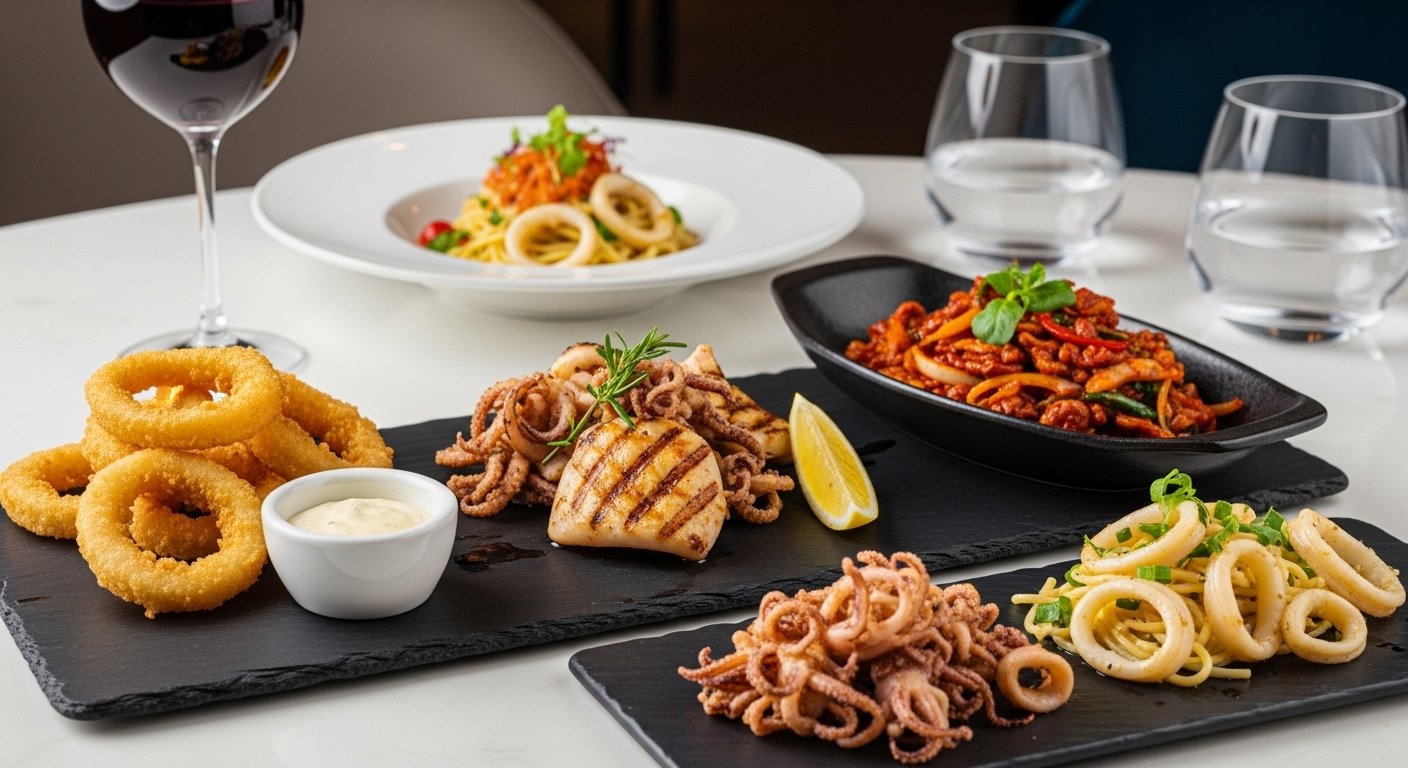
Are you ready to embark on a culinary adventure? Jipinfeiche cuisine is an exciting blend of flavors, colors, and textures that promises to delight your taste buds. This vibrant cooking style invites home chefs of all skill levels to explore its delicious dishes. Whether you’re looking for something exotic or simply wanting to spice up your weekly menu, understanding the essence of Jipinfeiche can open up a world of possibilities in your kitchen. Let’s dive into this fascinating cuisine and discover how you can bring these mouthwatering recipes right into your home!
The history and origins of Jipinfeiche recipes
Jipinfeiche cuisine has rich and diverse roots that weave through centuries. Originating from a fusion of indigenous ingredients and cultural exchanges, it reflects the vibrant tapestry of its people.
Historically, Jipinfeiche emerged in regions where lush landscapes provided an abundance of fresh produce. Local communities developed unique cooking methods to enhance flavors, creating dishes that celebrated their environment.
Trade routes played a significant role in shaping Jipinfeiche recipes. Spices and techniques from neighboring cultures contributed to this culinary evolution. As families passed down traditions, each generation added personal touches, resulting in regional variations.
The recipes embody stories—of gatherings around communal tables or feasts during festivals. This deep connection to history is evident in every bite, making Jipinfeiche not just food but a celebration of heritage and identity.
Essential ingredients used in Jipinfeiche dishes
Jipinfeiche cuisine thrives on a vibrant palette of ingredients that form the backbone of its dishes. Fresh vegetables, like bok choy and radishes, are staples, adding crunch and color.
Proteins play a key role as well. Chicken and seafood are frequently featured, bringing rich flavors to the table. Tofu is also popular for those seeking plant-based options.
Herbs and spices elevate these meals to new heights. Ginger, garlic, and scallions infuse depth into every bite.
Sauces such as soy sauce or chili paste provide zestiness that complements the natural tastes of other ingredients.
Don’t overlook grains! Rice serves as the perfect base for many Jipinfeiche creations, soaking up all those delicious juices.
These essential elements come together harmoniously in Jipinfeiche dishes, showcasing how simplicity can yield extraordinary flavor profiles.
Popular Jipinfeiche recipes from different regions
Jipinfeiche cuisine boasts a delightful variety of recipes that reflect the diverse regions it hails from.
In the coastal areas, you’ll find dishes infused with seafood, like spicy shrimp stir-fry served over fragrant jasmine rice. The combination of fresh herbs and spices creates an explosion of flavor.
Moving inland, hearty stews become the star. A popular choice is beef jiangguo, where tender meat simmers with root vegetables and traditional seasoning for hours. This dish warms both body and soul.
Northern regions often highlight dumplings filled with savory ingredients such as pork and chives. They’re steamed to perfection, making them a favorite during family gatherings or festive occasions.
Each region brings its unique twist to Jipinfeiche fare, showcasing local produce and culinary traditions that are simply irresistible.
Step-by-step instructions for making Jipinfeiche dishes at home
To start your Jipinfeiche journey, gather your essential ingredients. Fresh vegetables, proteins like chicken or tofu, and a blend of spices are fundamental.
Begin by preparing your base. Chop vegetables into bite-sized pieces for even cooking. If using meat, marinate it in soy sauce and garlic to enhance flavor.
Next, heat oil in a pan over medium heat. Sauté the aromatics first—onions and garlic until fragrant. Add your protein and cook until browned.
Once cooked through, toss in the chopped vegetables. Stir-fry everything together for about five minutes on high heat for that signature crunchiness.
Season with traditional spices such as cumin or chili flakes to taste. Serve hot over rice or noodles for an authentic experience at home!
Tips for incorporating traditional flavors into modern dishes
Embracing traditional flavors doesn’t mean you have to stick strictly to old recipes. You can give modern dishes a twist by adding elements from Jipinfeiche cuisine.
Start with spices. Incorporate cumin, coriander, or turmeric in unexpected places, like salad dressings or roasted vegetables. These can elevate the flavor profile significantly.
Use classic cooking techniques such as braising or steaming but apply them to contemporary ingredients like quinoa or chickpeas. This fusion creates exciting textures and tastes.
Don’t overlook garnishes. Fresh herbs typical in Jipinfeiche dishes add a burst of freshness when sprinkled on pasta or tacos.
Experiment with sauces too; try using fermented condiments for depth in your marinades and dips. The tangy notes will surprise your palate while honoring tradition.
Keep an open mind and let curiosity guide your culinary adventures!
Conclusion
Jipinfeiche cuisine is a delightful exploration of flavors, textures, and aromas that invite you into the heart of its cultural heritage. With roots tracing back through generations, these recipes tell stories of tradition and innovation. Each ingredient plays a crucial role in creating dishes that are not only satisfying but also rich in history.
As you attempt popular Jipinfeiche recipes at home, you’ll discover a world where spices dance harmoniously with fresh produce. The step-by-step instructions make it easy for anyone to dive into this culinary adventure. Tips on modern adaptations help bridge the gap between traditional and contemporary cooking styles.
Embrace the journey as you experiment with these delicious dishes. Celebrate both the past and present by bringing Jipinfeiche flavors to your kitchen table, sharing them with family and friends while crafting new memories around food.